Spooky Ghost Cat Reading Halloween: A Designer's Real-World Review
When I first opened the file for Spooky Ghost Cat Reading Halloween, my immediate thought wasn't about the technical specs, but rather the mood it instantly conjured. As a designer who spends hours tweaking stitch density and selecting thread colors, the visual personality of a design is often the deciding factor before I even consider the machine settings. This piece captures a specific kind of cozy spookiness that feels perfect for the autumn season without being too aggressive or overly dark. It strikes a balance between whimsical and traditional, making it an excellent candidate for a wide range of handmade products.
The First Impression: Mood and Visual Personality
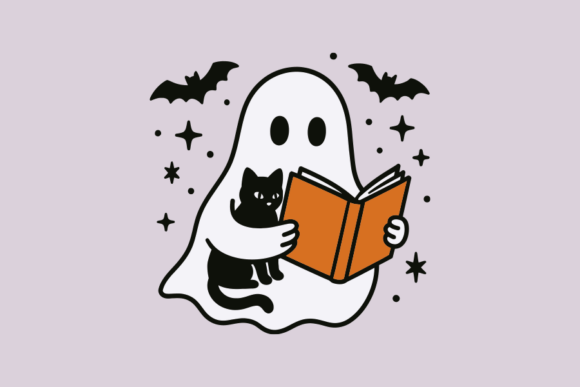
The layout of Spooky Ghost Cat Reading Halloween suggests a narrative. There is a sense of quiet concentration in the pose of the cat, which translates well into embroidery where static images can sometimes feel lifeless. The shape is organic yet contained, allowing it to sit comfortably on various surfaces. For a commercial embroidery project, this kind of character-driven design is gold because it invites an emotional connection from the buyer. Whether you are creating a personalized gift for a neighbor or stocking a boutique with holiday merchandise, this design has a distinct charm that stands out against more generic pumpkin or bat motifs.
In terms of file utility, the inclusion of multiple formats like SVG, EPS, AI, and high-resolution PNG means you have flexibility. However, as someone who reviews these assets for real-world application, I am always looking at how those digital files translate to physical thread. The 4500×5400 pixel resolution ensures that when we zoom in on details, they remain crisp, which is crucial for maintaining the integrity of the final embroidery project.
Real-Life Application: From Digital File to Finished Product
Let me walk you through a scenario I recently encountered while preparing for a small craft fair. I needed a custom embroidered tote bag design that would appeal to parents and teachers alike. I wanted something that celebrated the spooky season but remained cute enough for young children. I pulled up Spooky Ghost Cat Reading Halloween and immediately saw its potential.
I tested the design placement on a canvas tote. The proportions were ideal; it didn't look cramped near the seams, nor did it disappear in the center. The "reading" aspect of the cat adds a layer of sophistication that elevates the product from a simple novelty item to something that feels like a thoughtful accessory. When I stitched it out using a mid-tone gray thread for the ghost and a deep orange for the book, the contrast was striking against the natural canvas background. Customers at the booth stopped specifically to ask about the cat, noting that it felt unique compared to the standard mass-produced items usually found at such events.
This same design also shines on sweatshirt embroidery. Imagine a soft, heathered black hoodie featuring this cat reading a spellbook. The fill stitches would create a lovely texture that catches the light, adding depth to the garment. For baby clothes, the design works wonderfully on a onesie or a tiny bib. The rounded edges of the cat and the book prevent the design from looking harsh, making it safe and appealing for infant wear. It transforms a basic garment into a cherished keepsake, perfect for a personalized gift during the holidays.
Where Caution Is Key: Technical Limitations and Fabric Choices
While Spooky Ghost Cat Reading Halloween is versatile, every experienced designer knows that no single design fits every situation perfectly. There are specific constraints you must consider before running your machine. If you are working with small hoop sizes, such as those used for caps or hat panels, you need to verify if the entire composition fits without cropping. Curved surfaces like caps present a challenge for flat designs; the curvature might distort the lines of the book or the cat's ears if the digitization isn't optimized for that specific curve.
Fabric choice is another critical factor. Textured fabrics, like heavy bouclé or rough linen, can obscure fine details. If the design includes tiny lettering or intricate decorative accents within the book pages, these might get lost on a thick weave. Similarly, thin or stretchy fabrics require extra care. Without the proper stabilizer, the tension could pull the fabric, causing the satin stitch areas to pucker or the running stitch lines to waver. Dark fabrics demand a different approach as well; you will likely need a cut-away stabilizer or a tear-away backing to support the weight of the threads and prevent the fabric from showing through the stitching.
If you plan to use this for an embroidered patch, ensure the design has a clear border or edge treatment that can be finished cleanly. Dense stitch areas, particularly around the eyes of the cat or the text, might require reducing the stitch count to avoid bulkiness, which can make the final product uncomfortable to touch.
Impact on Brand Consistency and Customer Trust
In the world of Etsy sellers and small shop products, the quality of your embroidery speaks volumes about your brand. A poorly executed design can lead to returns and negative reviews, damaging your reputation. Conversely, a clean, well-executed machine embroidery design builds trust. When a customer receives a pillow cover or a kitchen towel with Spooky Ghost Cat Reading Halloween stitched clearly and evenly, they perceive value in the item.
The visual appeal of this design directly influences buyer engagement. It looks professional in printable mockups, which helps you sell the concept before the item is even made. When customers see a high-quality preview, they are more likely to purchase. Furthermore, the thematic consistency of the design supports a cohesive holiday collection. If you are building a line of autumn-themed goods, having a central character like this cat allows you to create matching items—perhaps a mug, a blanket, and a set of aprons—all tied together by the same visual language.
Practical Designer Notes for Success
Before you commit to a large production run, there are essential steps every designer should take. First and foremost, test the design on scrap fabric. This allows you to assess the stitch density and see how the threads interact with the material. Check the thread color contrast carefully; what looks good on a screen might wash out on white fabric or get lost on navy blue. Review the stitch types; ensure that the fill stitch areas are not too dense, which can cause the fabric to bunch up, and that the satin stitch edges are smooth.
Confirm your hoop size matches the design dimensions to avoid unnecessary trimming. Inspect small details closely, especially if you are scaling the design down. Test it in black and white mockups to ensure the composition holds up without relying on color. Compare how it looks on both light and dark fabric backgrounds to determine if you need to adjust the underlay or thread choices.
Finally, do not forget the importance of stabilization. Using the proper stabilizer is non-negotiable for a durable finished product. Also, double-check the licensing terms. While the file formats provided include SVG, EPS, AI, and PNG, you must confirm whether the license permits commercial use for selling finished items or if it is restricted to personal projects. Confirming these details protects your craft business and ensures you can sell your work with confidence.
Spooky Ghost Cat Reading Halloween offers a delightful blend of creativity and practicality. With careful planning and attention to the technical nuances of embroidery, it can become a standout asset in your portfolio of design assets. Whether you are crafting a one-off holiday gift or building a robust inventory for your online store, this design provides a solid foundation for success.