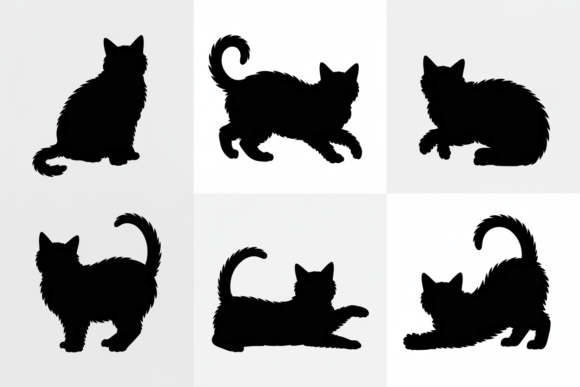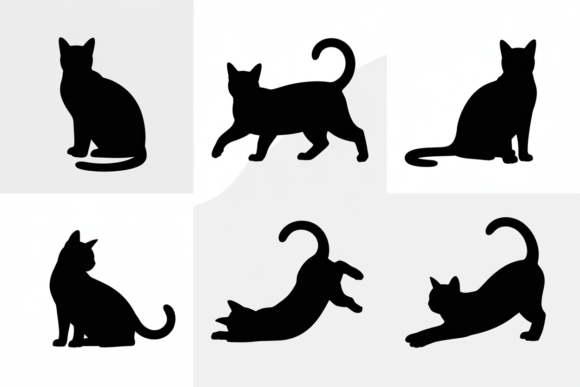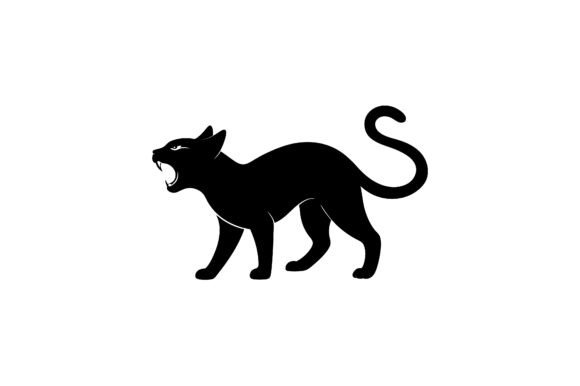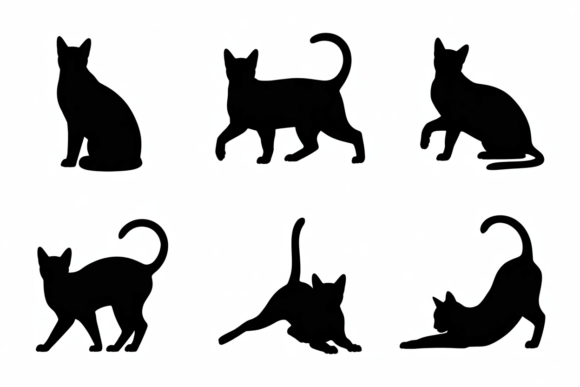
Silhouette Poses of a Cat Breed Review
When I first opened the Silhouette Poses of a Cat Breed file to prepare for a real-world embroidery project, my immediate reaction was one of quiet appreciation. As someone who has spent years refining designs for boutique shops and custom apparel, I know that the difference between a good digital asset and a great finished product often comes down to the initial shape language. This design doesn't just look like a cat; it feels like a mood. The silhouette approach strips away the clutter of fur texture and whiskers, leaving behind a clean, confident form that speaks directly to the heart of modern handmade goods.
I am evaluating this piece not as a simple download, but as a potential centerpiece for a client's order. Specifically, I had a scenario in mind: creating a limited run of embroidered patches for a local cat café and perhaps a matching line of tote bags for their gift shop. The request was for something timeless, elegant, and instantly recognizable without needing intricate detail work that might get lost on a small patch. Silhouette Poses of a Cat Breed seemed like the perfect candidate for this application.
The First Impression: Mood and Visual Personality
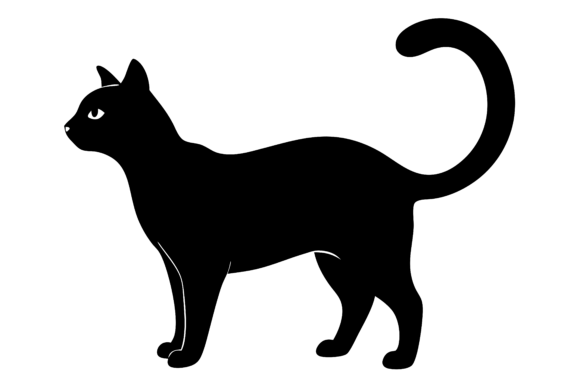
The moment you import the design into your digitizing software, the layout tells a story. The silhouette captures a specific posture that suggests curiosity or calm observation. It is not a chaotic action shot; it is a composed pose that invites the viewer to lean in. For an embroidery designer, this is crucial. A complex, multi-layered photo-realistic image often struggles on fabric, but a well-executed silhouette relies on negative space and strong lines. That is where the magic happens.
In terms of visual personality, this design leans towards the minimalist and chic. It creates a sophisticated vibe that works exceptionally well for brands targeting young adults or parents looking for nursery decor. When I looked at the file, I could immediately visualize how the stark contrast of a black silhouette against a cream-colored background would translate to a stitched finish. It promises high readability even from a distance, which is a vital trait for any embroidery project intended for public display or retail sale.
Real-World Application: From Screen to Stitch
To truly test the viability of Silhouette Poses of a Cat Breed, I imagined running it through a standard commercial embroidery workflow. Let's say we are working on a heavy-duty canvas tote bag for a craft fair. The design's clean lines mean that it can be rendered effectively using a combination of satin stitch for the outline and fill stitches for the interior, if desired. However, the true power of this file lies in its ability to stand alone as a pure outline or a solid block of color.
I also considered its suitability for baby items. Embroidering on delicate cotton onesies requires a design that won't feel stiff or scratchy. Because this is a silhouette, the stitch density can be managed more easily than with a detailed illustration. If executed correctly, the finished product would have a smooth hand feel, making it a delightful personalized gift for new parents. The design is versatile enough to appear on a sweatshirt chest pocket, a denim jacket back, or even a kitchen towel hanging in a home bakery.
For the craft business owner, this design offers immense value. It fits seamlessly into a collection of animal-themed merchandise. Whether you are an Etsy seller building a brand around pet lovers or a small shop owner creating holiday gifts, the universal appeal of a cat silhouette ensures there is always a market. It transforms a generic digital graphic into a tangible handmade product that customers cherish.
Where Caution is Required
However, every designer knows that no single file is a silver bullet. There are specific scenarios where Silhouette Poses of a Cat Breed requires careful consideration. One of the primary challenges arises when working with textured fabrics. If you attempt to embroider this on a chunky boucle wool or a heavily napped fleece, the crisp edges of the silhouette might get lost in the weave. The design demands a relatively smooth surface to maintain its sharp definition.
Stretchy fabrics present another hurdle. While the design itself is simple, the stability of the stitching depends entirely on the stabilizer used. On a stretchy t-shirt or a fitted cap, the tension of the threads can cause the fabric to pucker, distorting the elegant curves of the cat's pose. In these cases, a heavy-duty cutaway stabilizer is non-negotiable. Furthermore, attempting to stitch this on very small hoop sizes, such as those used for buttonholes or tiny hat brims, might force you to scale the design down so much that the nuances of the pose disappear. Always check your hoop size limitations before committing to a production run.
Dense stitch areas can also be problematic if the digitizing instructions are not followed precisely. If the fill is too tight, the fabric may become rigid and uncomfortable. Conversely, if the stitch density is too low, the underlying fabric might show through, ruining the clean silhouette effect. This is particularly important when working with dark fabrics, where thread coverage is critical. You must ensure that your thread colors provide sufficient opacity to hide the base material completely.
Impact on Brand and Customer Trust
Choosing the right design assets directly influences customer perception. A sloppy, stretched-out embroidery job can make a professional small shop product look amateurish, regardless of the quality of the rest of the item. Silhouette Poses of a Cat Breed, when stitched correctly, elevates the perceived value of the item. It signals attention to detail and a commitment to aesthetic quality.
For a boutique branding effort, consistency is key. Using a cohesive set of silhouettes like this helps create a unified look across different products, from aprons to pillow covers. Customers notice these details. They associate the clarity of the design with the reliability of the maker. When a buyer sees a perfectly formed cat silhouette on a premium tote bag, they are more likely to trust the craftsmanship of the entire brand. This visual recognition fosters loyalty and encourages repeat purchases.
Practical Notes for the Designer
Before you rush to start production, there are essential steps to take. First and foremost, always test the design on scrap fabric that matches your final material. This allows you to inspect small details and ensure that the corners of the silhouette are holding up under the needle. Check the thread color contrast carefully; sometimes a color that looks vibrant on screen appears muddy after stitching due to the texture of the thread.
Review your stitch density settings in your software. Ensure that the stabilizer choice aligns with the weight of your fabric. If you are planning to sell finished items commercially, confirm the licensing terms associated with the file. Some digital downloads restrict commercial use, while others allow it freely. Verify whether the embroidery file includes all necessary formats for your machine and if there are any restrictions on the number of units you can produce.
Finally, consider testing the design in black and white mockups before investing in materials. This helps you gauge the balance of the composition without the distraction of color. Compare how it looks on light versus dark backgrounds to ensure versatility. By taking these practical precautions, you ensure that Silhouette Poses of a Cat Breed transitions smoothly from a digital concept to a stunning finished product that delights both you and your customers.