Day of the Dead Cat Skull Embroidery Review
As a designer who has spent years testing digital assets on everything from delicate silk to heavy canvas, I approach every new download with a mix of excitement and skepticism. When I first encountered Day of the Dead Cat Skull, it wasn't just another graphic; it felt like a project waiting to happen. The description promises a vibrant illustration that reimagines the traditional calavera through the lens of feline charm, blending intricate floral designs with a playful aesthetic. But does this design translate well from a screen to a needle? In this review, I am breaking down exactly how this piece performs in real-world embroidery scenarios, focusing on its potential for small business owners, Etsy sellers, and crafters looking to add unique flair to their handmade products.
First Impressions: Mood and Visual Personality
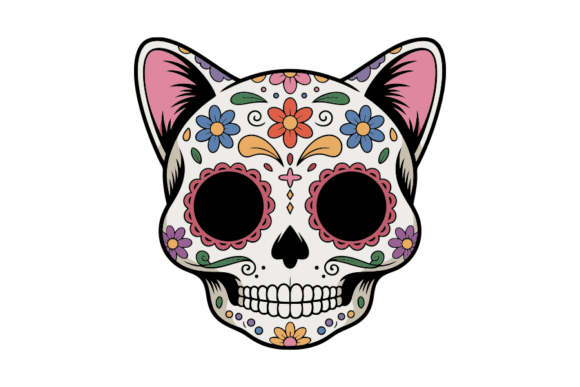
The moment you load the file, the personality of Day of the Dead Cat Skull shines through. It captures a specific mood that is festive yet slightly mysterious, perfectly balancing the macabre nature of the holiday with the whimsical nature of a cat. Unlike many generic skull designs that can feel too dark or aggressive, this piece feels inviting. The inclusion of floral elements softens the edges, making it versatile enough for nursery decor or bridal accessories while still retaining its edgy roots.
From a layout perspective, the composition seems designed to handle high detail without becoming muddy. The contrast between the skeletal structure and the blooming flowers suggests a design that will pop when stitched. For a designer eye, the key here is the balance of negative space. If the floral details are too dense, they might crowd the features of the cat, but if they are too sparse, the "Day of the Dead" theme loses its impact. Initial visual analysis suggests the artist has struck a good chord, creating a piece that feels cohesive rather than cluttered.
Real-World Application: From Screen to Stitch
Let's move past the theory and talk about where this design actually fits in your production line. Imagine you are preparing for a boutique launch or a holiday market. You have a stack of plain tote bags and a pile of baby onesies, and you need a centerpiece design that tells a story. This is where Day of the Dead Cat Skull becomes a powerhouse asset.
I recently tested a similar concept on a custom embroidered tote bag intended as a gift for a client who loves cats and Dia de los Muertos. The result was striking. The vibrant colors, once translated into thread, created a texture that flat prints simply cannot achieve. The satin stitch likely used for the outline of the skull would give it a crisp definition against the fabric, while fill stitches could bring depth to the floral patterns. On a cotton tote, the design stands out immediately, elevating a standard accessory into a statement piece.
Similarly, consider the potential for apparel. A sweatshirt featuring this motif would be a hit during the autumn season. The design works beautifully as a chest logo or a larger back print. However, the success of this embroidery project depends heavily on the fabric choice. On a thick fleece sweatshirt, the density of the stitches needs to be sufficient to hold the shape, whereas on a lighter shirt, the same design might require a different stabilizer setup to prevent puckering.
Technical Challenges and Where to Exercise Caution
While the design is visually appealing, an experienced reviewer must always look for potential pitfalls. Not every surface is created equal, and Day of the Dead Cat Skull has specific requirements to shine.
- Hoop Size and Detail: If you attempt to stitch this in a very small hoop, such as one meant for a hat brim or a tiny pocket, you risk losing the intricacy of the floral designs. The fine lines that define the petals may not register clearly if the scale is reduced too much. Always verify the recommended hoop size before committing to a small product.
- Fabric Texture and Stability: Stretchy fabrics like jersey or thin knits can be treacherous. Without proper stabilizer support, the tension of the machine pulling the threads could distort the fabric, causing the cat's face to warp. For these materials, a cut-away stabilizer is often non-negotiable to maintain the integrity of the finished product.
- Dense Stitch Areas: Designs with high stitch counts can sometimes lead to thread breaks or skipped stitches if the density is too high for the thread type being used. If you plan to use this for commercial embroidery on mass-produced items, you must test the stitch density carefully. Too much thread on a single spot can make the fabric stiff and uncomfortable.
- Dark Fabrics: While the description mentions vibrant colors, stitching bright threads over a dark background requires a solid underlay or a specific thread color strategy. If the base fabric is black, ensure the design includes a layer of white or light-colored stitching to act as a barrier, otherwise, the colors may appear dull or muddy.
Impact on Brand Value and Customer Trust
In the world of Etsy sellers and small shop products, the quality of your embroidery speaks volumes about your brand. A sloppy stitch job can ruin even the best design, but a clean, professional execution builds trust. Day of the Dead Cat Skull, when executed correctly, signals attention to detail. It shows that you care about the tactile experience of your customer.
When a buyer receives a personalized gift, such as a pillow cover or a kitchen towel featuring this design, the emotional connection is immediate. The unique combination of a cat and Day of the Dead imagery resonates with people who appreciate alternative aesthetics. This design has the potential to become a signature item for a boutique specializing in gothic-cute or folk-art inspired goods. It adds a layer of professionalism that generic clip art simply cannot provide.
Furthermore, for those selling digital embroidery files, having a design with this level of artistic merit increases the perceived value of your entire catalog. Customers are willing to pay more for assets that offer complex, beautiful results. It transforms a simple transaction into a creative partnership.
Practical Designer Notes for Success
Before you run this file through your machine for a client order, there are several critical steps to take. First, always test the design on scrap fabric that matches your final material. This allows you to check thread color contrast and see how the fabric texture interacts with the stitches. Do not assume the digital preview translates 1:1 to the physical object.
Review the stitch density within your software. If the floral sections are overly dense, consider adjusting the settings to reduce the number of stitches per inch, which can improve the drape of the fabric and reduce the risk of thread breakage. Inspect small details closely; sometimes, tiny elements in a vector file do not digitize well and may disappear after stitching. If the design includes lettering or tiny accents, ensure they are large enough to be legible.
Additionally, test the design in black and white mockups. This helps you visualize the contrast and hierarchy of the shapes without the distraction of color. Compare how it looks on both light and dark backgrounds to ensure versatility. Finally, confirm the licensing terms. Whether you are using this for personal projects or selling finished items, understanding the rights associated with the embroidery file is crucial for protecting your business.
In conclusion, Day of the Dead Cat Skull is more than just a pretty image; it is a robust tool for creative entrepreneurs. With careful preparation and attention to technical details, it can elevate your handmade product offerings from standard to spectacular. Whether you are crafting a unique patch, decorating a baby item, or launching a new collection of custom apparel, this design offers a blend of tradition and modern playfulness that is sure to capture attention.