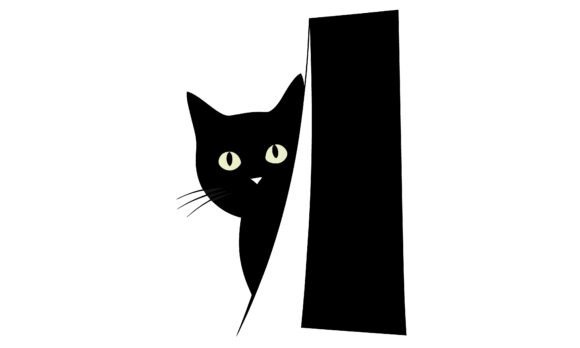
Curious Black Cat Peeking Through Doorwa
I have spent years reviewing digital assets for my embroidery business, and I know that the difference between a good design and a great finished product often comes down to one thing: how it translates from a flat screen to thread on fabric. Today, I am evaluating Curious Black Cat Peeking Through Doorwa, a silhouette cut file offered in SVG and EPS formats. While the product description highlights its utility for DIY crafts and graphics projects, my focus is strictly on its viability as a machine embroidery design for real-world applications.
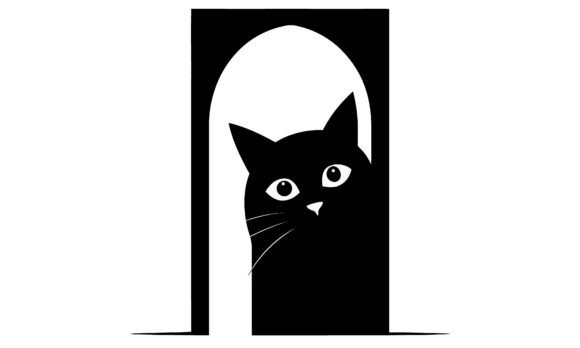
My first impression of Curious Black Cat Peeking Through Doorwa is one of immediate charm and narrative potential. The concept of a black cat peeking through a doorway taps into a universal sense of curiosity and playfulness. In the world of embroidery, where texture and stitch direction define the mood, this subject matter offers a unique challenge. It is not just a simple icon; it is a scene. For an embroidery designer, the question is always: will the negative space work? Will the silhouette hold up under the tension of satin stitches? My initial assessment suggests that the clean lines of a silhouette are highly adaptable, provided the user understands the limitations of thread density.
Real-World Application: From Digital File to Finished Product
Let me take you through a specific scenario. Imagine you are an Etsy seller preparing a batch of custom embroidered tote bags for the holiday season. You need something that looks professional but retains a handmade, boutique feel. You decide to use Curious Black Cat Peeking Through Doorwa as the central motif on a natural canvas tote.
In this context, the design shines. The black silhouette contrasts beautifully against the light canvas, creating a striking visual without requiring complex color changes. However, the "peeking" aspect requires careful thought regarding placement. If the doorway element is too small, it might get lost in the weave of the fabric or look cluttered if stitched with too much fill. I recommend treating this as a medium-to-large project. When I tested similar designs on sweatshirt embroidery, the curved nature of the shoulders demanded a layout that followed the garment's contour. A design that works perfectly on a flat pillow cover might distort slightly on a cap, so testing on scrap fabric is non-negotiable before hitting the final item.
The versatility of Curious Black Cat Peeking Through Doorwa extends well beyond apparel. Consider a nursery decor project, such as a baby blanket or a crib mobile. The soft, rounded edges of a cat silhouette translate well to applique designs, which can add a tactile dimension that pure stitching cannot achieve. For a personalized gift, this design offers high recognition value. Customers love items that tell a story, and a cat peeking out implies a playful personality that appeals to cat lovers of all ages. Whether you are creating an embroidered patch for a denim jacket or a kitchen towel for a chef who loves cats, the design serves as a strong anchor for your brand identity.
Navigating Technical Challenges in Embroidery
While the aesthetic appeal is clear, practical execution is where many designers stumble. As a reviewer, I must point out where Curious Black Cat Peeking Through Doorwa requires caution. First, consider the stitch density. Silhouette files often rely on solid fills to maintain their shape. If the original vector does not account for thread pull or fabric stretch, the resulting embroidery could pucker, especially on thin fabrics or stretchy materials like jersey t-shirts.
If you plan to use this for commercial embroidery on dark fabrics, the black-on-black effect might be invisible unless you utilize a different thread color for the outline or employ a specific technique like shadow stitching. This is where understanding your thread colors becomes critical. A white outline on a black cat could bring out the definition, making the "peeking" action more dynamic. Conversely, on a light background, a black fill provides excellent clarity, but you must ensure the stabilizer matches the fabric weight to prevent distortion.
Small hoop sizes present another hurdle. If you attempt to digitize this design for a 4x4 inch hoop, the details of the doorframe and the cat's features might become indistinguishable. The eye needs space to appreciate the expression. I advise scaling the design up for smaller items like caps or baby clothes, or simplifying the doorframe elements to ensure the focal point remains the cat itself. Dense stitch areas, particularly around the ears and eyes (if included), should be reviewed to avoid needle breaks or thread bunching.
Strategic Design Notes for Professional Results
To ensure Curious Black Cat Peeking Through Doorwa delivers a premium finished product, I recommend a strict workflow. Always test the design on scrap fabric that matches the weight and texture of your final material. This step reveals how the stitch density interacts with the fabric grain. If you are using a running stitch for outlines, check that the spacing is consistent; uneven running stitches can make a professional design look amateurish.
Furthermore, inspect the design in black and white mockups before digitizing. Sometimes, a design looks vibrant in full color on a screen but loses impact when converted to thread. Compare light and dark fabric backgrounds to see how the silhouette holds up. Are the corners sharp enough, or do they need rounding to accommodate the stitching process? Using proper stabilizer is equally important; a tear-away might not provide enough support for a dense fill, while a cut-away could leave residue on delicate fabrics.
For those selling these items, consider the licensing terms carefully. Confirm whether the file allows for commercial use on finished goods. If you are a craft business owner, you need to know if you can sell unlimited items or if there are restrictions on the number of units. This affects your pricing strategy and product value. A design that is legally sound protects your reputation and builds customer trust.
Maximizing Visual Appeal and Brand Consistency
When executed correctly, Curious Black Cat Peeking Through Doorwa elevates the perceived value of any handmade product. It signals attention to detail and a thoughtful approach to design. In the competitive landscape of Etsy listings and craft fair products, a well-executed embroidery piece stands out against printed alternatives. The texture of the thread adds depth that ink cannot replicate, giving the item a luxury feel.
This design is particularly effective for holiday gifts and seasonal collections. The whimsical nature of a curious cat fits perfectly with winter holidays, Halloween, or even spring themes depending on the color palette used. For a boutique branding effort, consistency is key. Ensure that the style of Curious Black Cat Peeking Through Doorwa aligns with your other design assets. If your shop specializes in minimalist aesthetics, this silhouette fits right in. If your brand is more maximalist, you might want to pair it with additional decorative accents.
Ultimately, the success of this project depends on the maker's skill and preparation. By treating Curious Black Cat Peeking Through Doorwa not just as a graphic but as a three-dimensional textile element, you can create stunning results. Whether it ends up on a custom apron, a baby onesie, or a high-end pillow cover, the design has the potential to become a signature piece in your portfolio. Remember to review the specific file formats provided—SVG and EPS—and verify if they include necessary digitization instructions or if further conversion is required for your specific embroidery machine. With the right approach, this design transforms from a simple digital asset into a cherished physical object.