Crazy Cat Lady Tumbler: A Designer's Real-World Review
In the world of machine embroidery, I have seen thousands of designs pass through my hoop. Some are technically perfect but lack soul, while others are charmingly imperfect and instantly become bestsellers. Today, I am putting Crazy Cat Lady Tumbler to the test. As a designer who frequently creates assets for Etsy sellers and boutique owners, I need to know if this piece is just another digital file or a genuine tool for building a brand. This review focuses on practical application, visual impact, and the reality of stitching this design onto real products.
The First Impression: Mood and Visual Personality
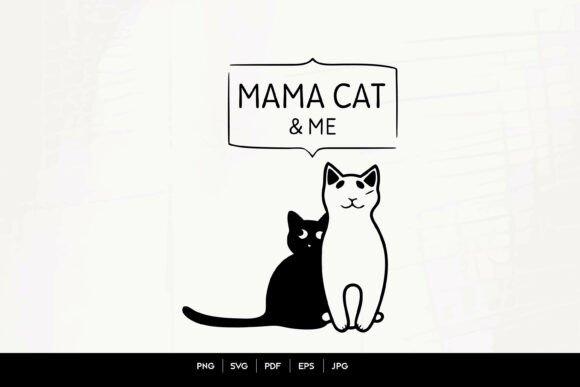
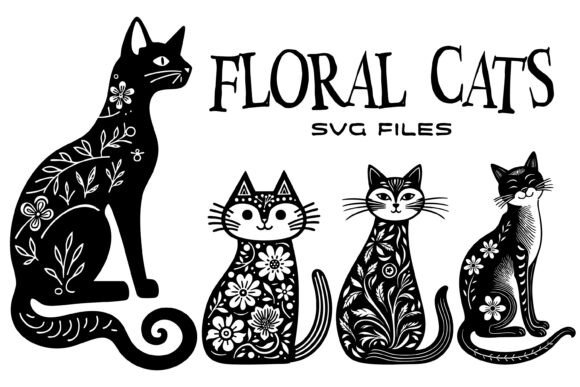
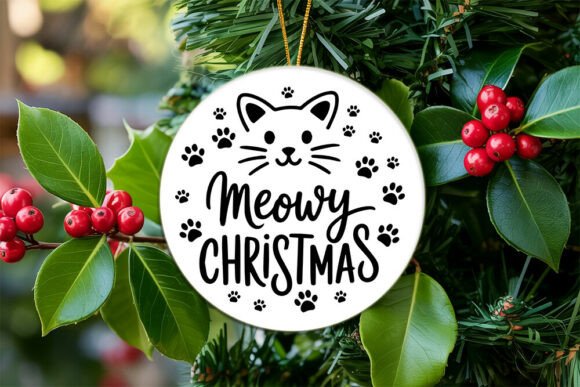
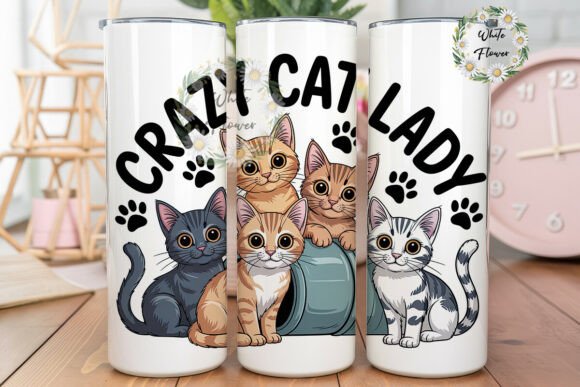
When you first open the folder containing Crazy Cat Lady Tumbler, the immediate feeling is one of playful nostalgia. The layout is not subtle; it commands attention with a bold, character-driven aesthetic that fits perfectly into the "Crazy Cat Lady" subculture. Unlike generic clip art, this design feels like it has a story. The shape suggests a whimsical narrative, likely featuring feline characters in a dynamic arrangement that works well as a central focal point.
From a graphic design perspective, the 300 DPI resolution ensures that the lines are crisp enough to be translated into stitches without losing definition. However, the fact that the design comes in both straight and tapered versions is a critical detail. It shows an understanding that embroidery machines read curves differently than straight lines. The absence of watermarks is a relief, signaling that this is a finished product ready for commercial use, provided the licensing terms are clear. The mood is lighthearted, fun, and highly marketable for anyone targeting cat lovers, making it a strong candidate for gift-oriented markets.
Real-Life Application: From Digital File to Finished Product
Let’s imagine a scenario where I am preparing inventory for a local craft fair. My goal is to create a line of personalized gifts for a client who loves cats. I decide to use Crazy Cat Lady Tumbler on a heavy-duty canvas tote bag. The design needs to hold up against daily wear and tear while looking professional under bright festival lights.
Sizing this design to 9.3 x 8.2 inches requires careful planning. If I were to stitch this on a standard t-shirt, the dimensions might feel overwhelming, but on a large tote or a kitchen towel, the scale feels right. The tapered version of the PNG file would likely be the better choice here, allowing the design to follow the natural curve of a bag handle or the fold of a fabric. When stitched, the satins should provide a smooth, glossy finish that contrasts beautifully with the matte texture of the canvas. For a small business owner, this kind of versatility means one digital asset can serve multiple product lines, from embroidery project files for apparel to decorative accents for home goods.
I also considered using this design on a baby item, perhaps a onesie or a soft blanket. While the theme is adult-oriented, the playful nature of the graphics could translate well to nursery decor if the colors are softened. The key is how the stitch density interacts with the fabric. On a thick sweatshirt, the design will pop with depth. On a delicate baby blanket, the density must be reviewed to ensure it doesn't feel stiff or scratchy against sensitive skin. This is where the practical judgment of an experienced designer comes into play: knowing when to push the design and when to pull back.
Where to Use (and Where to Pause)
While Crazy Cat Lady Tumbler is versatile, it is not a magic bullet for every surface. There are specific scenarios where caution is required. First, consider the hoop size. At nearly 10 inches tall, this design demands a large hoop. Trying to force this onto a small cap or a narrow sleeve cuff is a recipe for distortion and misalignment. If you are selling custom caps, you must verify if the tapered version can be resized without losing the integrity of the cat details.
Fabric texture is another major factor. Textured fabrics like bouclé or heavily ribbed knits can obscure fine details. If the design includes intricate elements like whiskers or tiny facial expressions, these might get lost in the weave of a chunky sweater. Similarly, stretchy fabrics require a stabilizer that provides enough rigidity to prevent puckering. Without proper backing, the fill stitches could cause the garment to warp over time, leading to unhappy customers and returns.
Dark fabrics present their own challenges. Unless the design includes a high-contrast underlay or the thread selection is carefully chosen, the details might disappear into the background. I recommend testing the design in black and white mockups before committing to production. This helps visualize how the negative space and positive stitch areas interact. Additionally, if you plan to wash the finished product frequently, such as a kitchen towel or apron, ensure the thread quality matches the durability requirements of the fabric.
Impact on Brand Value and Customer Trust
In the competitive landscape of Etsy seller shops and handmade boutiques, presentation is everything. A poorly executed design can make a brand look amateurish, while a well-stitched piece builds trust and justifies a higher price point. Crazy Cat Lady Tumbler has the potential to elevate a product line because of its unique personality. Customers buying handmade items often look for connection and humor; this design delivers exactly that.
When used correctly, the design enhances the perceived value of the item. A plain tote bag becomes a statement piece when adorned with this specific graphic. It signals to the buyer that the creator understands the niche and has put thought into the execution. However, consistency is key. If you mix this design with other low-quality assets, the overall brand identity suffers. It is essential to maintain a cohesive look across all your design assets.
For those creating printable mockups to sell digital previews, the 300 DPI resolution ensures that the images look sharp on social media platforms. High-quality visuals drive engagement and clicks, which are vital for any craft business. The clarity of the lines in the PNG files allows for realistic rendering, helping buyers visualize the final finished product before they even purchase the physical item.
Practical Designer Notes for Success
Before you hit the "Start" button on your embroidery machine, there are several steps you must take to ensure success. First, always test the design on scrap fabric that mimics your final material. This reveals issues with tension, thread breaks, or color clashes that you cannot see on a screen. Check the thread colors against your fabric; sometimes a color that looks great digitally appears muddy once stitched.
Review the stitch density closely. If the design is too dense, it may become difficult to hooping or cause the fabric to pucker. Conversely, if it is too sparse, the image may look washed out. Confirm that your stabilizer choice matches the weight of the fabric; a lightweight cut-away might not be enough for a heavy-duty project, while a heavy-duty tear-away could leave residue on delicate items. Inspect small details, especially if you plan to reduce the size for smaller products like patches or baby tags.
Finally, double-check your licensing agreement. Just because the file is free of watermarks does not automatically grant you unlimited commercial rights. Ensure you understand the rules regarding selling finished items versus reselling the digital file itself. Whether you are a hobbyist making gifts or a small shop product creator scaling up, respecting these legal boundaries protects your business. By following these guidelines, Crazy Cat Lady Tumbler can transform from a simple graphic into a cornerstone of your creative portfolio.