Cat in the Bush Silhouette Artwork Review
When I first opened the file for Cat in the Bush Silhouette Artwork, I didn't just see a cute image; I saw a specific kind of problem to solve. As someone who spends their days translating digital graphics into tactile, stitched reality, my first instinct is always to look past the pretty preview and ask: how will this actually hold up on fabric? This design immediately struck me as having a quiet, moody personality that fits perfectly into the current trend of minimalist nursery decor and boutique apparel. It isn't trying to shout for attention with bright colors or complex details; instead, it relies on the power of negative space and clean lines.
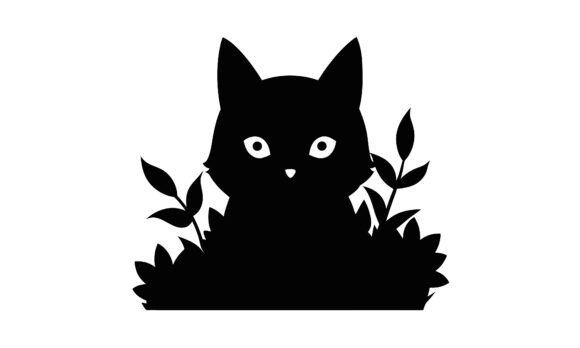
The silhouette format is a double-edged sword in machine embroidery. On one hand, it promises a sleek, modern finish that looks professional even with basic thread choices. On the other, it demands precision. If the curves are too tight or the angles too sharp, the stitching can bunch up, ruining the smooth outline that makes a silhouette so appealing. From what I can gather from the initial layout, Cat in the Bush Silhouette Artwork offers a balanced composition that feels organic rather than rigid. The cat seems nestled comfortably within the foliage, creating a sense of intimacy that is perfect for personalization.
From Digital File to Finished Product
Imagine you are preparing a custom order for a local Etsy shop owner. They need a special edition tote bag for a holiday market, something that screams "handmade" but still looks polished enough to command a higher price point. You pull out Cat in the Bush Silhouette Artwork as the centerpiece. Because the design is provided in scalable formats like SVG and EPS, the transition from your screen to the digitizing software is seamless. This is crucial for maintaining the integrity of the curve when you resize the image to fit the 5x7 hoop.
In a real-world scenario, this design would shine on a canvas tote bag. The dark, solid shape of the silhouette contrasts beautifully against a natural burlap or a soft cream linen background. When stitched, the dense fill areas of the bush and the cat's body create a rich texture that invites touch. However, you have to be strategic about the stitch type. For the main body of the cat, a satin stitch might be too stiff if the fabric is thin, potentially causing puckering. A combination of a fine satin outline with a light fill stitch could provide the necessary structure without sacrificing the delicate look of the silhouette.
I also envision this design finding a home on a baby onesie or a small embroidered patch. The simplicity of the shape means it won't overwhelm a small garment, making it an ideal choice for embroidery projects targeting infants. Parents often prefer designs that are gentle and not overly busy, and the silhouette style hits that sweet spot perfectly. It transforms a standard piece of clothing into a keepsake without looking like a cartoon character printed on fabric.
Navigating Fabric Challenges
While the potential is high, there are specific scenarios where Cat in the Bush Silhouette Artwork requires careful handling. Textured fabrics, such as heavy denim or bouclé, can hide the fine details of the silhouette. If the fabric has a deep nap, the needle might struggle to penetrate evenly, leading to uneven stitches that break the smooth line of the cat's profile. Similarly, stretchy fabrics like jersey require a stabilizer that matches the stretch of the material, or the finished product will warp after washing.
Dense stitch areas are another consideration. If the original artwork has very tight clusters of leaves or fur, the digitizer must ensure that the stitch density is reduced slightly to prevent the thread from breaking or the fabric from becoming too rigid. A good rule of thumb is to test the design on scrap fabric first. This step is non-negotiable for any serious craft business owner. You need to verify that the thread colors chosen provide enough contrast against the final product. A black silhouette on a navy blue shirt might disappear, whereas the same design on white or light gray would pop with clarity.
For those looking to use this as a digital embroidery file for commercial projects, the versatility is undeniable. It works well for custom apparel like sweatshirts, where the design can be placed on the chest for a subtle statement or on the back for a larger impact. The clean lines of the silhouette also make it excellent for embroidered patches that can be ironed onto jackets or bags. The lack of intricate internal details means the edges will be crisp, which is vital for a patch that needs to be durable and fray-resistant.
Visual Appeal and Brand Consistency
One of the most overlooked aspects of using pre-made designs is how they affect brand consistency. Cat in the Bush Silhouette Artwork has a distinct visual voice. It is calm, nature-inspired, and slightly mysterious. If you are building a brand around handmade goods, using this design repeatedly across different products—like aprons, pillow covers, and kitchen towels—creates a cohesive identity. Customers recognize the style, which builds trust and encourages repeat purchases.
The design also enhances the perceived value of the finished product. A simple silhouette, when executed with high-quality thread and proper stabilization, looks more expensive than a complex, multi-colored scene that might suffer from poor execution. It suggests confidence in the maker's skills. For an Etsy seller or a small shop product line, this is a smart way to offer premium-looking items without the risk of technical failures associated with highly detailed designs.
However, caution is needed with small hoop sizes. If you attempt to downscale Cat in the Bush Silhouette Artwork too much, the details of the bush might merge into a single blob, losing the charm of the original concept. Always check the minimum size requirements before committing to a project. Additionally, if you plan to sell these items, confirm the licensing terms. Some digital assets allow for personal use only, while others permit commercial sales of the finished physical goods. Understanding these distinctions protects your craft business from legal issues.
Practical Tips for the Embroidery Designer
To get the best results from this design, I recommend running a few tests before starting a production run. First, review the stitch density in your digitizing software. Ensure that the fill stitches are not overlapping too heavily, which can cause the fabric to pucker. Second, inspect the small details. Are the tips of the leaves sharp enough? Will they catch on things or fray over time? Third, compare light and dark fabric backgrounds in your mockups. Sometimes a design looks great on a white screen but fails miserably on a dark fabric unless you add a underlay or a contrasting border.
Using the right stabilizer is also key. For a design like this, which likely involves both fill and satin stitches, a cut-away stabilizer is usually the safest bet for durability, especially for items that will be washed frequently. If you are working on a cap or another curved surface, remember that the tension of the fabric changes the way the design sits. You may need to adjust the placement or the hooping technique to ensure the silhouette remains centered and symmetrical.
Ultimately, Cat in the Bush Silhouette Artwork is a versatile asset that bridges the gap between digital art and traditional craftsmanship. It offers a sophisticated look that appeals to a wide range of customers, from new parents looking for nursery decor to fashion enthusiasts seeking unique accessories. By paying attention to fabric selection, stitch density, and finishing techniques, you can transform this digital graphic into a stunning, tangible piece of art that stands out in a crowded marketplace. Whether you are creating a one-off gift or scaling up for a commercial embroidery operation, this design provides a solid foundation for creative success.