Cat Cutting Board Animal Chopping Board5 Design Review
As someone who has spent years evaluating embroidery files for both personal crafting and commercial client work, I approach every new download with a mix of excitement and skepticism. You never know if a design will translate well from a screen to the fabric until you actually run it through the hoop. Recently, I came across Cat Cutting Board Animal Chopping Board5, a digital asset listed under Crafts and Graphics. At first glance, the title suggests a kitchen theme, but as an experienced designer, my immediate question was: how does this specific design perform when converted into a tangible embroidered piece?
This review is not about the raw file specs alone; it is about the real-world application. Can this design elevate a handmade product? Does it hold up on a busy Etsy shop listing? Let's dive into what happens when you take Cat Cutting Board Animal Chopping Board5 from a digital preview to a finished project.
The First Impression: Mood and Visual Personality
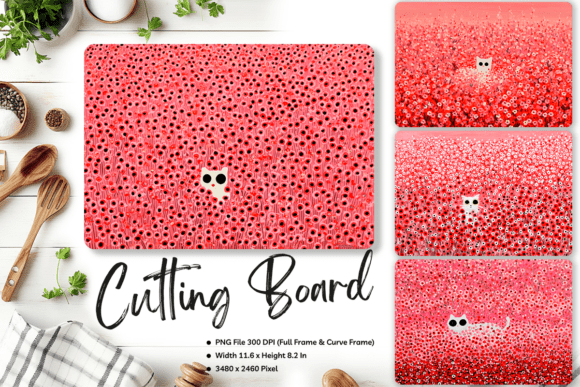
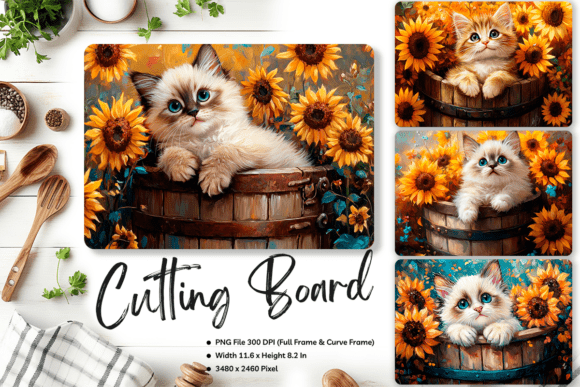
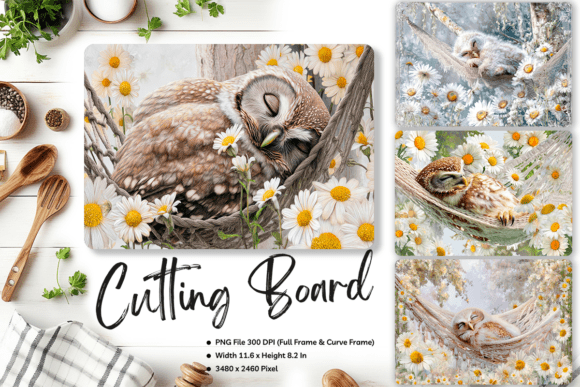
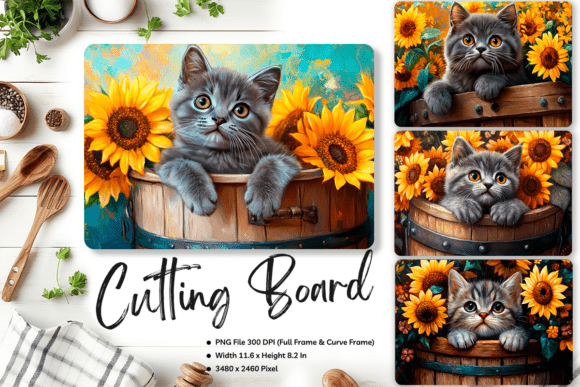
When I first opened the high-resolution PNGs provided in the download, the mood felt distinctly cozy and domestic. The layout of Cat Cutting Board Animal Chopping Board5 suggests a playful yet rustic aesthetic, perfect for home decor or casual apparel. Unlike some overly complex designs that rely on thousands of stitches to create depth, this file seems to prioritize clear shapes and recognizable silhouettes. For a crafter looking to add a touch of whimsy to a tote bag or a nursery pillow, the visual personality is inviting without being overwhelming.
The "animal chopping board" concept implies a humorous twist on kitchenware, which translates beautifully into a custom gift. The design feels like it belongs in a space where warmth and humor intersect—perhaps a mother's apron or a chef's hat for a young baker. However, because the source material is a PNG sublimation template rather than a native vector or stitch file, the initial visual appeal relies heavily on how well the image can be interpreted by an embroidery digitizer or machine.
Real-World Application: From Screen to Stitch
Imagine you are preparing for a holiday market season. You want to create a line of personalized gifts featuring cats and kitchen themes. You decide to use Cat Cutting Board Animal Chopping Board5 as the centerpiece for a series of items. You start with a heavy-duty canvas tote bag. The design fits perfectly in the center, offering a large enough area to showcase the details without feeling cramped.
In this scenario, the design shines. When digitized correctly, the cat motif can be rendered using satin stitches for the outlines to give it a crisp, professional edge, while fill stitches can add texture to the body. If you were to apply this to a sweatshirt, the relaxed fit allows the design to breathe, making it ideal for casual wear. For baby clothes, the playful nature of the image works well, provided the scale is adjusted so it doesn't overwhelm a onesie.
I also considered using this for a decorative patch. The clean lines of Cat Cutting Board Animal Chopping Board5 would allow for a neat border, making it suitable for iron-on applications or sewn-on patches for denim jackets. The versatility extends to tea towels and pillow covers, where the design adds a focal point that ties a room together. As a digital product seller, having a design that looks good in mockups is crucial, and this file provides a strong foundation for creating attractive printable previews for your online store.
Where Caution Is Required
However, no design is a one-size-fits-all solution. There are specific scenarios where Cat Cutting Board Animal Chopping Board5 might require careful handling. If you plan to use this on small hoop sizes, such as those used for hats or cuffs, you must be mindful of the detail level. Complex curves or tiny elements within the cat or cutting board illustration could get lost or merge together if the stitching density is too high for the available space.
Fabric choice is another critical factor. Textured fabrics like bouclé or thick fleece can distort the fine lines of a PNG-based design, leading to a muddy appearance. Similarly, stretchy knits require a stabilizer that prevents puckering, especially if the design includes dense areas. Dark fabrics present their own challenge; if the original design relies on light colors or thin lines, they may disappear against a black background unless you adjust the thread colors significantly. Layered garments, like hoodies with pockets, can cause issues if the design is placed over seams or zippers, altering the final look.
Furthermore, products that undergo frequent washing, such as kitchen towels or aprons, need durable stitching. If the design relies on long running stitches without adequate backing, the edges might fray over time. It is essential to test the stability of the design before mass-producing these items for a craft business.
Impact on Product Value and Brand Consistency
The quality of your embroidery directly influences customer trust and perceived value. A well-executed Cat Cutting Board Animal Chopping Board5 design signals professionalism. It tells the buyer that you care about the details, which justifies a higher price point for your handmade products. In contrast, a poorly digitized version can make even the best idea look amateurish.
For Etsy sellers and boutique owners, consistency is key. Using a cohesive design language across different products—like matching a set of embroidered bags with a coordinating towel—builds a recognizable brand identity. This design offers that potential, allowing you to create a themed collection that resonates with customers who love pets and cooking. The emotional connection buyers feel toward cute animal motifs can drive engagement and repeat sales, turning a simple purchase into a cherished gift.
Practical Designer Notes for Success
Before you commit to a full production run, there are several steps every designer should take. First, always test the design on scrap fabric that matches your final material. This helps you gauge how the threads interact with the weave and whether the tension settings need adjustment. Check the thread color contrast carefully; ensure the chosen colors stand out against the background fabric.
Review the stitch density to avoid overcrowding, which can lead to needle breakage or fabric distortion. Confirm that your hoop size accommodates the entire design without cutting off any elements. Inspect small details closely to ensure they remain distinct after stitching. It is also wise to test the design in black and white mockups to see how the values hold up without the distraction of color.
If you are working with dark fabrics, compare the design on a light background versus a dark one to anticipate the necessary changes. Use proper stabilizer to support the fabric during stitching, especially for stretchy or delicate materials. Finally, verify whether the license terms allow for commercial use. Many digital downloads come with restrictions on selling finished items, so confirm your rights before listing Cat Cutting Board Animal Chopping Board5 on your shop.
In conclusion, Cat Cutting Board Animal Chopping Board5 holds promise as a versatile addition to your design assets. Whether you are a hobbyist making gifts for friends or a small business owner scaling your operations, this design offers a fun and practical theme. By paying attention to the nuances of digitization and fabric selection, you can transform this digital file into a stunning finished product that delights customers and elevates your brand.