Black Cat Vector: A Designer's Real-World Embroidery Review
When I first opened the folder for Black Cat Vector, my initial reaction wasn't about the file formats or the instant download capability. It was about the mood. In a sea of generic floral motifs and repetitive geometric shapes, this design immediately commands attention with a distinct personality. As an experienced designer who has spent years evaluating digital assets for real-world production, I look past the pretty preview image to ask one critical question: will this hold up when it is stitched onto fabric? The answer, based on the visual structure of Black Cat Vector, is a resounding yes, provided you understand its strengths and limitations.
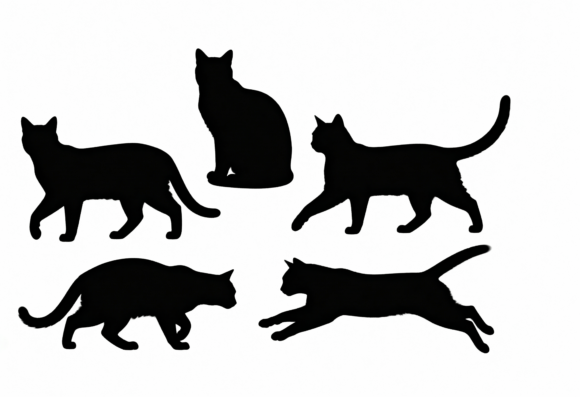
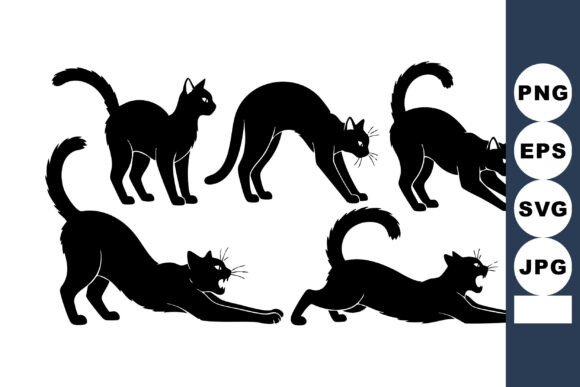
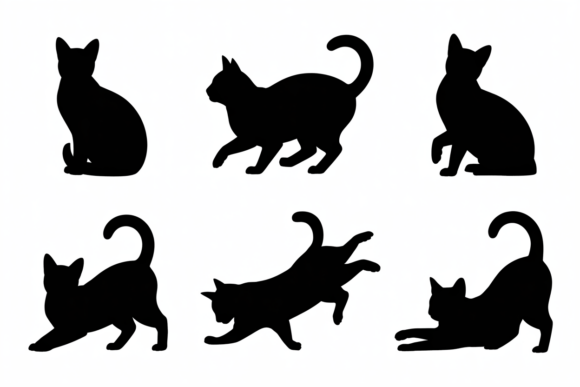
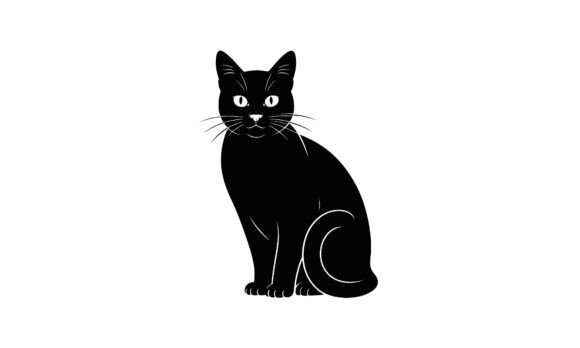
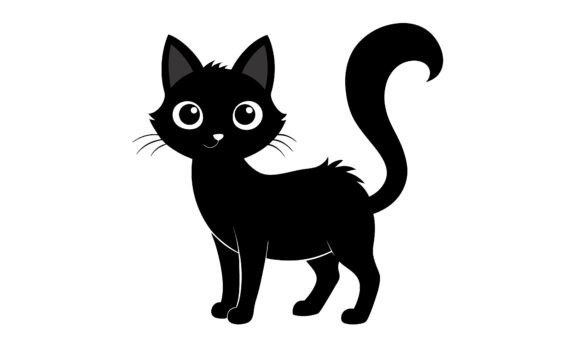
The design exudes a playful yet mysterious vibe that fits perfectly into modern handmade aesthetics. Whether you are a boutique owner looking to stock holiday-themed goods or a crafter preparing a personalized gift for a pet lover, the silhouette of the cat offers immediate recognition. It feels like a natural fit for embroidery project work where character matters as much as technique. Unlike some vector files that feel stiff or overly complex, this design appears to have clean lines that translate well into thread. It suggests a finished product that looks professional rather than amateurish, which is the holy grail for any Etsy seller or small shop product creator.
From Digital File to Finished Product: The Stitching Reality
Let's talk about how Black Cat Vector behaves in a practical scenario. Imagine you are preparing a custom embroidered tote bag for a local craft fair. You want something that stands out on a display table but isn't so busy that it gets lost in the crowd. This design is ideal for that application. The solid shape of the cat allows for a dense fill stitch that creates a rich texture, making the embroidery pop against canvas or denim backgrounds.
I also envision this design on a baby sweatshirt or a onesie. Parents love subtle yet meaningful details, and a sleek black cat motif strikes the right balance between cute and stylish. When digitized correctly, the curves of the cat's back and tail can be rendered using smooth satin stitches that follow the grain of the garment. However, if you plan to use this for commercial embroidery on items like aprons or kitchen towels, you need to consider the contrast. Black thread on a dark background might disappear, while white or metallic thread on a black cat design could create a stunning high-contrast effect that customers will love.
The versatility extends to embroidered patch applications as well. If you are creating patches for jackets or bags, the defined edges of Black Cat Vector suggest it would cut cleanly without excessive fraying, assuming the correct stabilizer is used. For holiday embroidery, specifically around Halloween or Day of the Dead themes, this asset serves as a perfect centerpiece. It allows you to build a collection of matching items—pillow covers, tea towels, and cap designs—that all share a cohesive brand identity.
Navigating Fabric Challenges and Hoop Constraints
While the design is robust, no single vector works perfectly in every situation. There are specific areas where Black Cat Vector requires careful consideration. One major factor is the hoop size. If your machine setup is limited to smaller hoops, you must ensure the dimensions of the cat fit comfortably without being cropped. Attempting to force a large design into a tiny hoop often results in distortion or missed stitches at the corners.
Fabric choice is equally critical. On stretchy fabrics like jersey knits or thin t-shirts, the density of the stitching required for the cat's body can cause puckering. Without proper stabilizer, the tension might pull the fabric, ruining the intended shape. For these materials, a lightweight cut-away stabilizer is non-negotiable. Similarly, textured fabrics like heavy wool or bouclé can hide the finer details of the design. If the cat has intricate facial features or whiskers, they might get lost in the weave of the material. In such cases, it is better to focus on the main silhouette and simplify the inner details.
Another area to watch is curved surfaces like caps or beanies. While the design is adaptable, the curvature of a hat can distort straight lines if not digitized with proper compensation. If you are selling custom apparel, testing the design on a mock-up of the actual hat shape before mass production is essential. Additionally, products that require frequent washing, such as baby clothes or daily-use aprons, demand high-quality stitching. The durability of the Black Cat Vector depends heavily on the stitch density; too loose, and the design will fray after a few washes, but too tight, and the fabric may pucker permanently.
Practical Notes for the Design-Conscious Maker
Before you hit "stitch" on your final client order, there are several steps every professional should take. First, always test the design on scrap fabric. This simple step reveals issues with thread tension, stabilizer choice, and overall appearance that you cannot see on a computer screen. Check the thread color contrast carefully. A black cat design often looks best with contrasting threads, but sometimes a tonal approach using different shades of grey or charcoal can add depth and sophistication.
Review the stitch density in your digitizing software. Ensure that the satin stitch areas are not too wide, which can lead to thread breaks, and that the fill stitch areas are balanced to prevent fabric distortion. Confirm your hoop size matches the design dimensions to avoid cropping important elements. Inspect small details closely; if the cat has tiny eyes or whiskers, verify that they are large enough to be stitched clearly on your specific machine.
It is also wise to test the design in black and white mockups. Sometimes colors can be deceiving, and seeing the design in grayscale helps you judge the value contrast and visual weight. Compare how it looks on light versus dark fabric backgrounds. Does the outline stand out? Is the negative space effective? These questions determine the success of the final piece.
Finally, confirm licensing terms before selling finished items or using this as a design asset in your own digital product previews. Understanding whether you have commercial rights to sell the embroidered goods is crucial for protecting your craft business. If you are an Etsy seller or running a small shop product line, clarity on usage rights prevents legal headaches down the road.
In conclusion, Black Cat Vector is more than just a graphic in the Graphics category; it is a versatile tool for creative entrepreneurs. Its strong visual personality makes it suitable for a wide range of applications, from tote bag design to sweatshirt embroidery. By paying attention to fabric selection, stabilization, and testing procedures, you can transform this digital file into a high-value, customer-ready item. Whether you are creating a personalized gift or building a brand, this design offers the reliability and style needed to elevate your work.