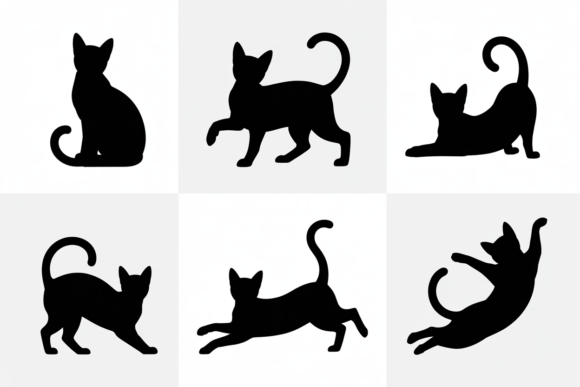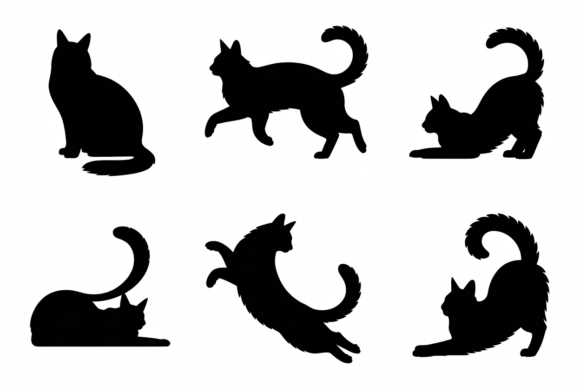
Black Cat Silhouettes Collection Review
As a designer who has spent years navigating the intricate world of machine embroidery, I approach every new digital asset with a mix of excitement and skepticism. There is nothing worse than downloading a file that promises magic but delivers a tangled mess of thread on the hoop. Recently, I had the chance to evaluate the Black Cat Silhouettes Collection, a graphic set marketed for various DIY crafts. My goal was simple: determine if this design holds up when translated from a screen to a stitched reality for real client projects and handmade products.
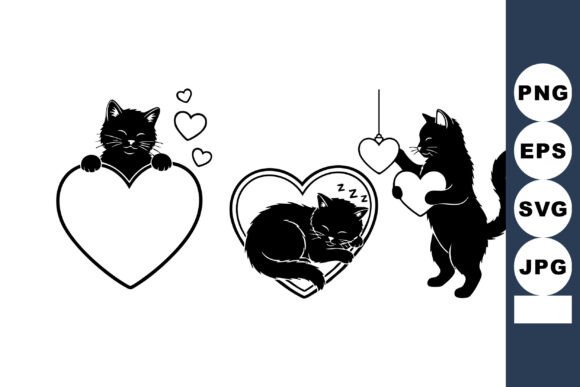
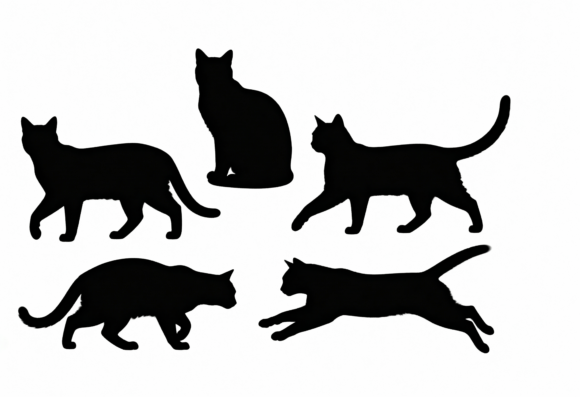
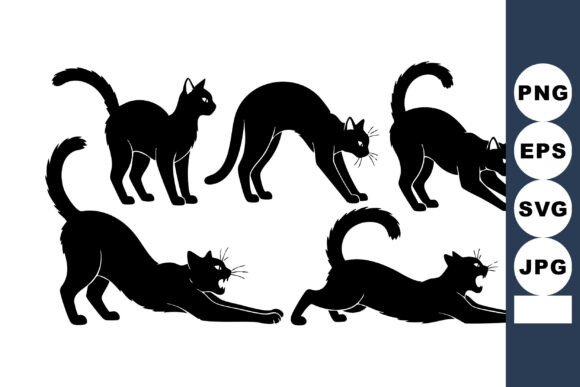
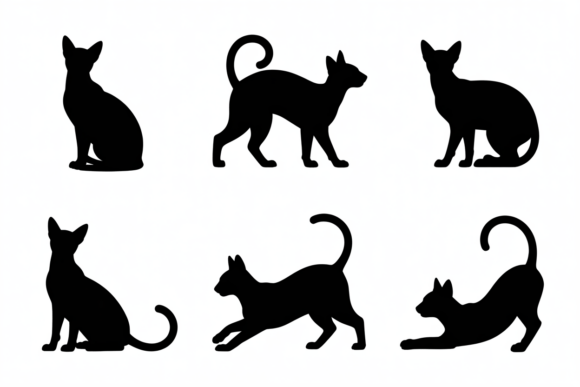
The first impression of the Black Cat Silhouettes Collection is one of clean, confident minimalism. In the world of embroidery, where texture and thread count often complicate a visual, a silhouette offers a refreshing challenge. The shapes are bold and distinct, lacking the tiny, fragile details that usually cause issues during digitization. This collection feels like it belongs in a modern, slightly edgy craft business or a boutique nursery. It creates a mood that is mysterious yet playful, making it an excellent candidate for custom apparel, tote bags, and personalized gifts.
Let's talk about a real-world scenario. Imagine you are an Etsy seller preparing a holiday collection. You have a stack of heavy cotton canvas tote bags ready for customization. The market is flooded with complex floral arrangements and traditional Christmas motifs. What stands out? Something with strong contrast and clear definition. I decided to test the Black Cat Silhouettes Collection on these bags. The silhouette nature of the design means it relies heavily on the color of the thread against the fabric. On a black bag, you would need a metallic or bright white thread to make the cat pop. On a natural canvas, a deep charcoal or midnight blue thread would create a sophisticated, tonal look that screams "high-end handmade."
When evaluating how the Black Cat Silhouettes Collection performs in actual stitching, the lack of internal detail is its greatest strength. Complex designs often suffer from "thread breaks" or poor coverage in small areas, forcing the embroiderer to use excessive stabilizer or lower speeds. With this collection, the stitch density can be adjusted without worrying about losing a whisker or an eye. For a commercial embroidery project, this translates to faster production times and fewer rejected pieces. Whether you are creating embroidered patches for jackets or adding a subtle logo to sweatshirts, the clean lines ensure a professional finish even on less-than-perfect machines.
However, not every surface is created equal. While the design is versatile, there are specific situations where you must exercise caution. If you plan to use this for baby embroidery on soft, stretchy jersey knits, the stability of the design becomes critical. A silhouette requires a solid base; if the fabric puckers, the cat might look distorted rather than sleek. Similarly, on curved surfaces like caps or fitted beanies, the geometry of the silhouette needs to be carefully mapped to the curvature of the hat. A flat lay mockup might look perfect, but once stitched onto a six-panel cap, the perspective could shift unexpectedly.
I also found myself thinking about the limitations of dark fabrics. Since the product description highlights SVG and EPS formats primarily for cutting, the transition to embroidery requires careful consideration of thread colors. If you are using a dark background, a black silhouette will simply disappear unless you use a contrasting outline or a fill stitch that catches the light. This is where the design assets truly shine or fail based on your execution. For a finished product to maintain high value, the thread choice must be deliberate. A simple running stitch outline on a dark shirt might look cheap, whereas a dense satin stitch in gold or silver elevates the entire piece into luxury territory.
For the creative entrepreneur looking to build brand consistency, the Black Cat Silhouettes Collection offers a unique opportunity. It is abstract enough to be applied across different product lines without feeling repetitive. You could use it on kitchen towels for a "witchy" home decor line, on aprons for a craft fair vendor, or as a subtle accent on pillow covers for a wedding gift registry. The versatility here is key. It allows a small shop owner to expand their inventory without needing to hire a new artist for every single item. The visual personality remains consistent, building trust with customers who recognize the style.
From a technical standpoint, the decision to use this design involves several practical checks before hitting the start button on your machine. First, always test the design on scrap fabric that matches your final material in weight and texture. This step is non-negotiable for any serious embroiderer. You need to verify that the stitch density works well with the fabric type. Too much density on a thin tee shirt will cause the fabric to pucker, ruining the drape. Conversely, too little density on a thick denim jacket might leave gaps in the thread coverage.
Another critical factor is the hoop size. Even though the file is a digital vector, the physical dimensions matter. Ensure the design fits comfortably within your standard hoops without requiring awkward repositioning, which can lead to registration errors. If you are planning to sell finished items commercially, double-check the licensing terms provided by the creator. Many digital files allow personal use but restrict commercial sales of the final stitched product. Ignoring this can lead to legal headaches down the road.
When considering the aesthetic impact, the Black Cat Silhouettes Collection excels at creating a focal point. In a crowded craft fair booth, a large, clean silhouette on a tote bag draws the eye immediately. It communicates a sense of confidence and modern taste. Customers appreciate designs that look intentional and polished. A poorly executed embroidery job can signal a lack of care, but a well-stitched silhouette suggests precision and quality. This distinction directly influences buyer engagement and willingness to pay a premium price.
There are also specific applications where this design might struggle. Highly textured fabrics, such as bouclé or heavy terry cloth, can obscure the sharp lines of a silhouette. The thread might get lost in the pile of the fabric, making the cat look muddy rather than defined. In these cases, a smoother backing or a smaller hoop area might be necessary to achieve clarity. Additionally, if you are working with very small hoop sizes, ensure that the details of the cat's ears and tail remain distinct. Sometimes, scaling down a silhouette can result in a blob of thread rather than a recognizable shape.
Ultimately, the Black Cat Silhouettes Collection is a strong addition to any digital library for an embroidery designer. It bridges the gap between simple cut files and complex digitized patterns. Its success lies in its adaptability and the ease with which it can be integrated into various product lines. Whether you are a hobbyist making a one-off gift for a friend or a seasoned business owner scaling your operations, this design offers a reliable foundation for creativity. Just remember to respect the fabric, choose your threads wisely, and always test before you commit to a full run. In the world of handmade goods, the devil is indeed in the details, and this collection gives you the tools to get them right.