A Girl Who Loves Cats, Cat Lover, Animal Review
When I first opened the files for A Girl Who Loves Cats, Cat Lover, Animal, my immediate reaction was one of recognition. It isn't just another clipart image; it feels like a character that wants to be stitched. As someone who has spent years evaluating digital assets for real-world embroidery projects, I look past the pretty preview and ask myself: How will this hold up under the needle? Will it translate well from a screen to fabric? In this review, I am breaking down exactly how this design performs when moved from a digital graphics folder into a physical handmade product.
The First Stitch: Visual Personality and Mood
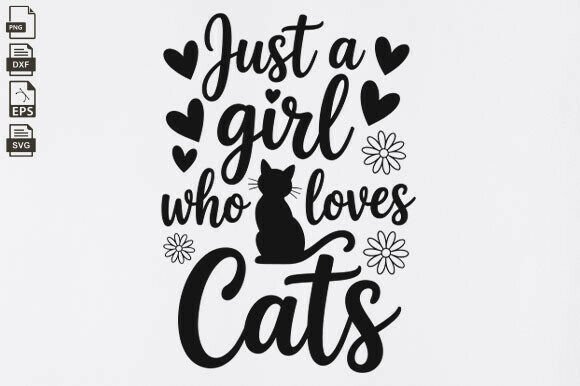
The moment you place A Girl Who Loves Cats, Cat Lover, Animal on your hoop, the mood is instantly established. It carries a warmth that fits perfectly with the current trend toward cozy, personalized home goods and boutique apparel. The layout suggests a narrative—a girl connecting with her feline companions—which creates an emotional hook for the viewer before they even notice the thread work. This is crucial for craft business owners selling on platforms like Etsy or at craft fairs. You are not just selling a cat; you are selling a sentiment.
The visual personality here is playful yet clean. Unlike some designs that rely on chaotic lines or overly complex shading, this piece seems designed with clarity in mind. For an embroidery designer, this means less frustration during digitizing and fewer issues with thread breaks. The shapes appear distinct enough to separate easily if you are planning to use different thread colors for the girl versus the animals. It strikes a balance between being detailed enough to look professional and simple enough to stitch quickly, which is often the sweet spot for high-volume production.
Real-World Application: From Screen to Tote Bag
To truly understand the value of this asset, let's imagine a specific scenario. I recently received a request from a client who runs a small boutique specializing in baby gifts. She wanted a custom embroidered patch for a nursery blanket and matching tote bag design for new parents. She needed something that screamed "family" without being too generic. When she tested A Girl Who Loves Cats, Cat Lover, Animal, the fit was perfect.
The design works exceptionally well on soft fabrics like fleece or cotton flannel for baby items. The gentle curves of the illustration do not require excessive stabilizer support compared to more rigid geometric patterns. However, when we moved to the tote bag, the application changed slightly. The canvas texture required us to adjust our stitch density slightly to ensure the threads sank in properly without puckering. The result was a finished product that looked expensive and thoughtfully curated. Customers browsing the shop immediately gravitated toward these items because the design felt authentic to the brand's identity as a maker of personalized gifts.
This versatility extends beyond baby products. I also envision this design on a denim sweatshirt or a sturdy apron for a coffee shop owner who loves cats. The embroidery file structure allows it to adapt to various garment weights. Whether it is a sweatshirt embroidery project for a winter holiday gift or a kitchen towel decoration, the central theme remains consistent. It bridges the gap between a hobbyist's weekend project and a commercial apparel decorator's inventory item.
Where Caution Is Required
While the design is robust, no single asset is a magic bullet for every situation. There are specific constraints where A Girl Who Loves Cats, Cat Lover, Animal might struggle if not handled with care. If you are working with very small hoop sizes, such as those used for cufflinks or tiny hat patches, you must scrutinize the fine details. Sometimes, intricate lines can get lost or merge together when the scale is reduced too far.
Textured fabrics present another challenge. While the design looks great on smooth cotton or linen, placing it on a heavily textured boucle or a rough burlap could obscure the definition of the stitches. Similarly, thin or stretchy fabrics require a heavy hand with stabilizer. Without adequate backing, the tension of the satin stitch or fill stitch could cause the fabric to pucker around the edges of the girl and the cats. Dark fabrics also demand a strategic approach to thread selection. If the background is black, you need to ensure the contrast is high enough that the lighter elements of the design do not disappear into the fabric weave.
Curved surfaces like baseball caps or beanies add another layer of complexity. While the design is adaptable, the curvature of the cap can distort the perspective of the girl and the cats if the machine settings are not adjusted for the curve. It is always wise to run a test on scrap material first to see how the design lays out on the specific curve of your target product.
Impact on Brand and Customer Trust
In the world of small shop products, the quality of your embroidery speaks volumes about your brand. A sloppy stitch job can ruin the perceived value of a handmade product, but a clean, well-executed design elevates it. A Girl Who Loves Cats, Cat Lover, Animal contributes positively to this perception because its inherent clarity translates into a professional finish. When a customer receives a holiday gift or a wedding gift featuring this design, they perceive the effort and skill involved in the creation process.
For Etsy sellers and digital product sellers, this design offers a significant advantage in marketing. Because the visual is so clear and appealing, it makes excellent printable mockups for your listings. You can show potential buyers exactly how the design looks on a variety of items, from pillow covers to custom apparel. This transparency builds buyer engagement and trust. When customers feel confident in the final look of their purchase, they are more likely to leave positive reviews and return for future commercial embroidery needs.
Practical Notes for the Designer
Before you commit this design to a large production run, there are several technical steps you should take. First, verify the hoop size requirements listed in the download package. Even though the listing mentions SVG and EPS formats, the actual embroidery dimensions depend on how you convert them in your software. Ensure the aspect ratio remains true to the original artwork.
Always test the design on scrap fabric that matches your intended project material. Check the stitch density to ensure it is not too dense, which can cause thread buildup, or too sparse, which can leave gaps in the fabric. Inspect the small details closely; sometimes, tiny elements like whiskers or eyes can become indistinguishable after stitching. Comparing light and dark fabric backgrounds in your design assets workflow will help you choose the best thread colors for maximum impact.
If you plan to sell finished items made with this design, confirm the licensing terms provided by the creator. Some digital embroidery files allow for unlimited commercial use, while others may restrict the number of units sold. Additionally, check whether the design includes any hidden layers or specific instructions for applique design techniques if that is part of your process. Finally, remember that while the file formats (SVG and EPS) are standard, compatibility varies by machine brand, so double-check your machine's specifications before starting.
Ultimately, A Girl Who Loves Cats, Cat Lover, Animal is a strong addition to any crafter's library. It balances aesthetic charm with practical stitchability, making it a reliable choice for everything from a quick baby embroidery project to a full line of boutique branding merchandise. By approaching it with the right preparation and attention to detail, you can turn a simple digital download into a cherished physical keepsake.